If you’re buying batik from outside Indonesia, you’re likely relying entirely on photos, descriptions, and trust — you can’t touch the fabric, smell the wax, or ask the seller questions in person. That gap is exactly where buyers get misled: printed imitations sold as “handmade,” inflated prices for ordinary cotton, or vague claims with no real origin behind them.
This guide walks through what actually separates authentic, quality batik from the rest — so you can buy with confidence, wherever you are in the world.
1. Know the Three Types of Batik First
Not everything labeled “batik” is made the same way. Understanding this is the single most important step before you buy anything.
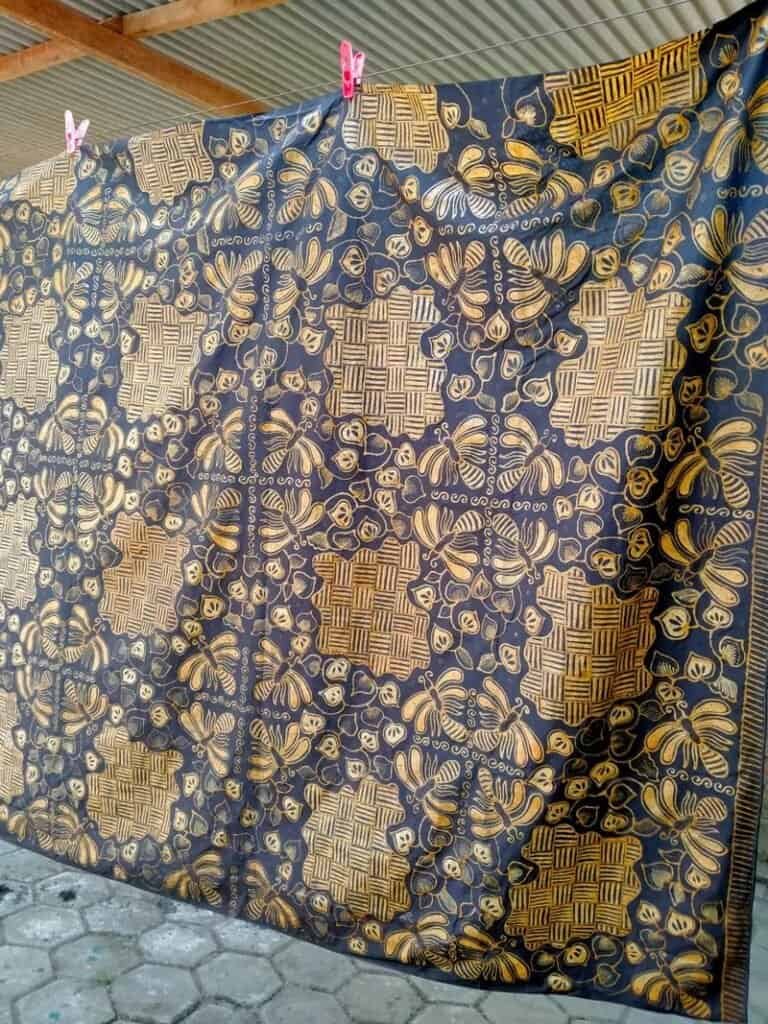
Batik Tulis (hand-drawn) Wax is applied by hand using a canting, a small copper-tipped tool, line by line. This is the most time-intensive method — a single cloth can take days to weeks. Every piece is naturally unique; no two are ever perfectly identical. This is also the most expensive category, and rightly so.
Batik Cap (hand-stamped) Wax is applied using a copper stamp, which speeds up the process while still being fully handmade and requiring real skill to align patterns correctly. It’s a genuine middle ground — authentic craftsmanship, more accessible pricing.
Batik Printing (printed textile, not true batik) Patterns are printed onto fabric using ink, sometimes machine-made entirely. There’s no wax-resist dyeing process at all. This is mass-produced and inexpensive — and while it can look attractive, it is not batik in the traditional sense, even if it’s labeled or sold as such.
Why this matters: a printed textile and a hand-drawn batik tulis can look similar in a small photo, but they are entirely different products with entirely different value. Always ask the seller directly which category their product falls into.
2. How to Spot the Difference (Even From a Photo)
You don’t need to be an expert to catch the obvious signs. Ask the seller for close-up, natural-light photos and look for:
- Slight irregularities in the lines. Genuine hand-drawn batik will have small, natural inconsistencies in line thickness and pattern spacing. Perfectly uniform, machine-precise repeating patterns are a strong sign of printing.
- Color penetration. Ask if the color is visible on both sides of the fabric. In real wax-resist batik, dye penetrates the fabric, so the reverse side shows the pattern too (though slightly softer). Printed fabric is often only colored on one side.
- The smell test (if buying in person or requesting a sample). Traditional batik retains a faint wax scent, especially in newer pieces.
- Ask for a “cracking” pattern. Batik tulis and batik cap often show fine, irregular crackle lines where the wax cracked slightly during dyeing — this is a natural signature of the process, not a flaw.
A reputable seller will never be defensive about these questions — they’ll usually be glad to explain, because it’s part of what makes their product worth the price.
3. Understand Regional Origins
Batik isn’t one single style — it varies significantly by region, and knowing this helps you understand what you’re actually buying.
- Yogyakarta & Surakarta (Solo): Classic royal-court patterns, typically in earthy browns, indigo, and cream (sogan colors). Deeply symbolic, historically tied to Javanese royal families.
- Pekalongan: Known for vibrant, multicolored floral motifs, heavily influenced by coastal trade history (Chinese, Arab, and Dutch influences over centuries).
- Cirebon: Famous for the “Mega Mendung” cloud motif, with bold blues and dynamic shapes.
- Klaten / Bayat: A lesser-known but historically rich batik-producing area in Central Java, known for detailed hand-drawn work and strong local artisan traditions.
Ask where the batik was made, not just where the seller is based. Genuine sellers usually know — and are proud to tell you.
4. Understand Fabric, Not Just Pattern
The base fabric significantly affects both feel and price:
- Cotton (katun): breathable, durable, most common and affordable — a safe starting point for first-time buyers.
- Rayon: soft drape, good for dresses and scarves, mid-range pricing.
- Silk (sutra): premium feel and price, typically reserved for formal wear or higher-end batik tulis pieces.
A silk batik tulis and a cotton batik cap will have very different price points even with a similar-looking motif — this is normal, not a sign of overpricing.
5. What Fair Pricing Looks Like
Prices vary widely, but as a general orientation:
- Batik printing: the most affordable, often sold as casual wear or souvenirs.
- Batik cap (cotton): moderate pricing, reflecting genuine hand-stamped work.
- Batik tulis (cotton to silk): the highest pricing, justified by the time and skill involved — sometimes weeks of work for a single piece.
If a price seems unusually low for something marketed as “hand-drawn batik tulis,” that’s a signal to ask more questions before buying.
6. Questions Worth Asking Any Seller
Before you buy, especially internationally, don’t hesitate to ask:
- Is this batik tulis, batik cap, or printed?
- Where was it made, and by whom?
- What fabric is it (cotton, rayon, silk)?
- Can you show close-up photos in natural light, including the reverse side?
- How should I care for this fabric?
A seller connected to real artisans will answer these easily and specifically. Vague or evasive answers are a red flag, regardless of how polished the online shop looks.
7. Where to Source Batik as an International Buyer
- Directly from artisan groups or small batik houses — often the most transparent about origin and process, and your purchase supports the makers directly.
- Established local batik markets (if traveling to Indonesia) — Pasar Beringharjo (Yogyakarta), Pasar Klewer (Solo), and Pekalongan’s batik centers are well known, though quality still varies stall to stall.
- Verified online sellers with clear documentation — look for sellers who show the making process, name their artisans or region, and are transparent about batik type and fabric.
8. A Few Practical Notes for International Buyers
- Ask about shipping and fabric care before purchase — batik should be shipped folded (not tightly compressed) to avoid deep creasing, especially for silk.
- Colorfastness varies — ask if the dye is colorfast, especially for darker or more saturated colors, so you know how to wash it safely.
- Import duties vary by country — it’s worth checking your own country’s import policy for textiles before ordering larger quantities.
In Short
Authentic batik isn’t defined by how it looks in a thumbnail photo — it’s defined by process, origin, and the people behind it. Ask questions, look closely, and buy from sellers who are transparent about all three. When you do, you’re not just buying fabric — you’re supporting a centuries-old craft and the artisans who keep it alive today.
This guide is written to help buyers anywhere in the world make informed choices — regardless of who you ultimately buy from. If you have questions about batik from the Bayat, Klaten region specifically, we’re happy to help via WhatsApp.